You are now reading:
E-Invoicing Mandate: Why Malaysia’s Next Compliance Shift Is Really About Business Readiness

When you've got big plans for your business, you want a bank you can rely on.
Find out more
Integrates two economies into one ecosystem, unlocking new levels of collaboration
Find out more
Your go-to sustainability guide. Get your customised report today by taking the quiz now.
Take the quiz
you are in WHOLESALE BANKING


You are now reading:
E-Invoicing Mandate: Why Malaysia’s Next Compliance Shift Is Really About Business Readiness
When Malaysia began rolling out its e-invoice mandate, much of the conversation focused on deadlines and compliance. But beneath the surface, this regulatory change signals something more fundamental: a transformation in how businesses manage data, cash flow, and financial operations.
Led by Inland Revenue Board of Malaysia (LHDN), the national e-invoicing framework requires businesses to issue structured electronic invoices through the MyInvois platform1. Unlike traditional Portable Document Format (PDF) or paper invoices, these are machine-readable records that are validated centrally before being shared with customers.
While implementation is happening in phases based on annual turnover, the impact cuts across all businesses, from growing SMEs to established enterprises. E-invoicing is no longer just an accounting requirement. It changes how sales, finance, and operations work together.
For many companies, invoicing has always lived quietly inside finance departments. E-invoicing brings it front and centre.
Once invoices become structured digital data, errors that were previously internal, such as inconsistent customer details, pricing discrepancies, or incomplete records, are surfaced immediately. Every transaction becomes part of a connected system involving accounting software, customer databases, tax reporting infrastructure, and banking workflows.
This is why many businesses discover that readiness involves more than installing new software. LHDN encourages taxpayers to prepare operationally ahead of implementation, including system testing via its sandbox environment, as stated in LHDN guidance on MyInvois sandbox and production environments2.
In practice, this often means reviewing customer data, aligning sales and finance teams on invoice accuracy, and ensuring staff understand how structured invoices differ from traditional formats. E-invoicing effectively pushes organisations to formalise processes that were previously manual or informal.
Although Malaysia’s rollout is gradual, businesses that wait until their compliance date often face unnecessary pressure. System integration takes time. Internal processes need adjustment. Employees require training. Suppliers and customers may also be at different stages of readiness.
Taxpayers are encouraged to prepare ahead of implementation, including testing their setups in the MyInvois sandbox environment before moving to live submission.
Those who prepare early tend to experience smoother transitions and fewer disruptions to daily operations3. More importantly, they are better positioned to extract value from digital invoicing rather than treating it as a box-ticking exercise.
UOB Malaysia recognises that adapting to the e-invoicing mandate involves more than merely complying with a new tax process. For many business owners, especially SMEs, it requires rethinking how financial data flows through their operations.
To help businesses navigate this transition, UOB Malaysia leverages its SME Hub ecosystem, which brings together education, digital tools, and expert insights tailored to local needs. Through this platform, UOB Malaysia organises events specifically on e-invoicing compliance, including sessions on navigating the MyInvois system, understanding invoicing requirements, and practical implementation guidance. These workshops are designed for business owners and finance teams who need actionable clarity on compliance and readiness.
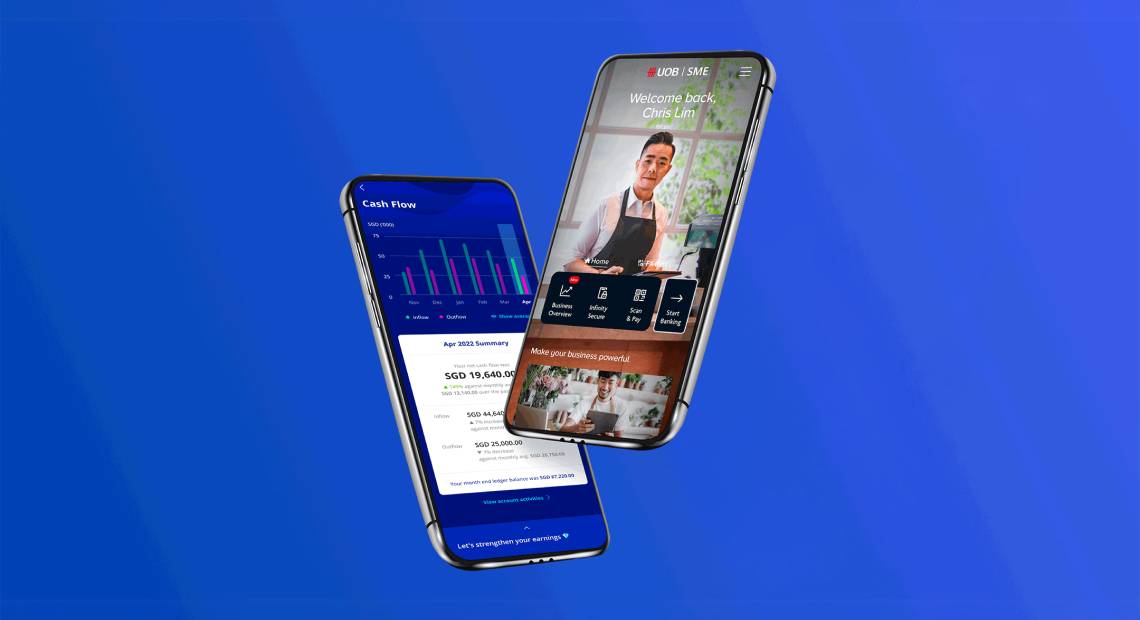
In addition to specialist briefings, UOB Malaysia promotes digital solutions that help companies manage their financial processes more effectively. UOB Malaysia’s digital offerings such as the UOB SME app4 and UOB SmartBusiness suite as well as accounting platforms like AutoCount5, Financio6, and QNE7, serve as practical tools for business owners. These solutions help businesses monitor cash flow, track receivables, access real-time financial insights, and handle LHDN e-invoicing requirements. The accounting platforms integrate directly with the MyInvois system, automatically managing technical compliance details like mandatory field validation while connecting to existing accounting workflows. This means businesses can maintain their familiar software without manually re-entering data for tax purposes. These integrated solutions are accessible via UOB Malaysia's ecosystem offerings.
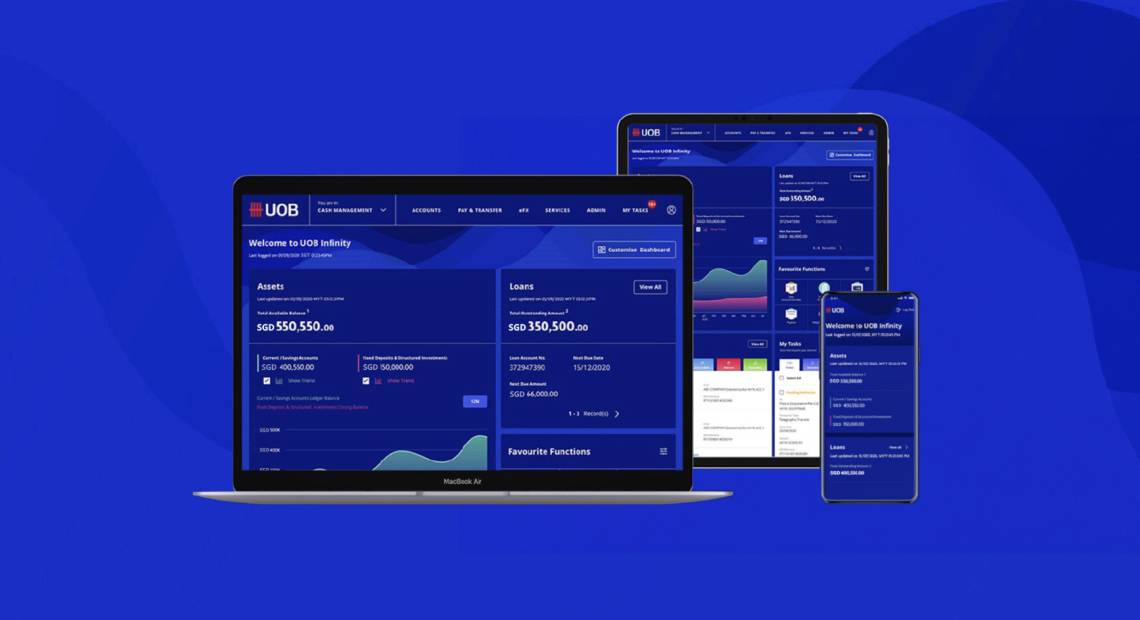
On the banking side, UOB Malaysia’s digital business and cash management channels support smoother reconciliation of e-invoices with actual bank transactions. Business Internet Banking and the SME app provide tools for tracking payment statuses, reviewing inflows and outflows, and staying on top of receivable cycles — insights that help finance teams manage liquidity more confidently as invoicing data becomes more central to financial reporting.
By combining regulatory education, digital business tools, and an ecosystem of partner solutions, UOB Malaysia positions itself as a partner that helps Malaysian businesses adapt operationally to the e-invoicing era instead of leaving them to navigate the change alone.
Malaysia’s e-invoicing mandate represents a decisive step toward a more transparent and data-driven economy. While compliance is the immediate driver, the longer-term opportunity lies in building stronger financial foundations.
Businesses that embrace this shift early stand to gain cleaner records, clearer cash flow visibility, and more resilient operations. With the right preparation, and the right banking partner, e-invoicing can become less of a disruption and more of a catalyst for sustainable growth.

03 Aug 2026 • 3 mins read

04 Jun 2026 • 3 mins read

06 May 2026 • 3 mins read

09 Mar 2026 • 3 mins read