





Go Green By Implementing The ‘G’ In ESG
The UOB Business Outlook Study1 revealed that 30% of Malaysian businesses face challenges in identifying and executing the right ESG initiatives due to insufficient knowledge. This highlights the need for a better understanding and implementation of ESG principles, starting with governance (G) as the foundation for environmental (E) and social (S) efforts.
Why Governance Matters in ESG
1. Define Roles and Responsibilities
Clearly outlining roles and responsibilities for business owners and their advisors is essential in establishing governance. When everyone understands their duties in guiding and supporting the business, it enhances accountability and improves decision-making. A well-structured governance framework, as outlined in guiding documents like the Malaysian Code on Corporate Governance (MCCG)2 , ensures key leadership roles are clearly defined. This division of duties is designed to prevent conflicts, balance power, and ensure that management's performance is properly reviewed.
2. Develop Policies and Procedures
Having well-documented policies and procedures helps businesses operate efficiently and consistently. Policies covering quality control, customer service, and financial management provide clear guidance to employees, ensuring they follow best practices. This isn't just about internal tidiness; it’s a globally recognised practice. For instance, international standards like ISO 90013 on quality management are built on the principle of having documented processes to ensure consistency and meet customer requirements, ultimately reducing errors and boosting reliability.
3. Maintain Transparent Record-Keeping
Accurate financial records are crucial for business sustainability. By tracking sales, expenses, and profits systematically, business owners can gain valuable insights into financial performance. Using spreadsheets or accounting software simplifies record-keeping, making it easier to analyse financial data, prepare reports, and ensure compliance with financial regulations.
In Malaysia, the Companies Act 20164 mandates that all businesses must keep proper accounting records that allow for the preparation of "true and fair" financial statements. Using spreadsheets or accounting software simplifies this, making it easier to analyse financial data, prepare reports, and ensure you remain compliant.
4. Engage with Stakeholders
Building strong relationships with stakeholders, including customers, suppliers, and the community, is vital for long-term business success. Effective communication of the company’s mission and ESG impact fosters trust and engagement. Digital platforms such as social media and websites provide excellent opportunities to keep stakeholders informed and involved in the company’s sustainability efforts. Today, leading frameworks like the Global Reporting Initiative (GRI)5 even guide companies on how to report their stakeholder engagement efforts, showing how they have listened to and addressed stakeholder concerns.
5. Ensure Compliance
Compliance with local business regulations and tax requirements is fundamental to good governance. Business owners must stay updated on legal requirements, obtain necessary licenses or permits, and ensure all business operations adhere to ethical and regulatory standards. Proper compliance minimises legal risks and reinforces the company's reputation as a responsible and trustworthy entity. For public-listed companies in Malaysia, guides like the Bursa Malaysia Sustainability Reporting Guide (3rd edition)6 explicitly link governance with compliance, requiring companies to disclose their commitment to ethical conduct. This focus on compliance minimises legal risks and reinforces your company’s reputation as a responsible and trustworthy entity.
Streamline Governance with MYWave
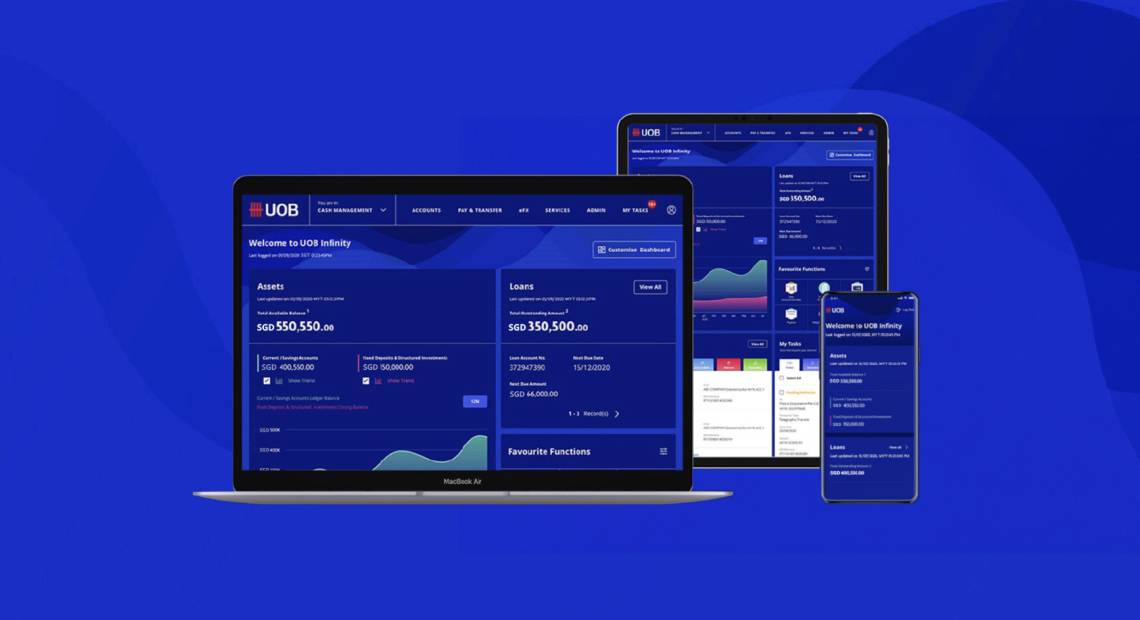
To make governance implementation more efficient, businesses can consider using MYWave7 , an HR and payroll system designed to support structured governance. MYWave helps businesses establish clear employee roles and responsibilities, reducing ambiguity in workforce management. The system also streamlines the maintenance of policies and procedures, ensuring documentation is kept up-to-date and accessible. Additionally, MYWave provides an integrated payroll solution that simplifies salary calculations, tax deductions, and compliance with local labour laws. By automating these governance functions, MYWave enhances operational efficiency and minimises the risk of errors in HR and financial management.
Kickstarting Your ESG Journey with UOB SmartBusiness
For businesses looking to enhance their ESG framework, UOB SmartBusiness8 offers various digital solutions that can assist in governance. These tools help businesses manage their operations more effectively while ensuring compliance with ESG principles.
By establishing strong governance, businesses can build a solid foundation to support their environmental and social initiatives, ultimately contributing to a more sustainable future.