You are now reading:
How SMEs Can Prepare for Seasonal Cash Flow Swings

When you've got big plans for your business, you want a bank you can rely on.
Find out more
Integrates two economies into one ecosystem, unlocking new levels of collaboration
Find out more
Your go-to sustainability guide. Get your customised report today by taking the quiz now.
Take the quiz
you are in WHOLESALE BANKING


You are now reading:
How SMEs Can Prepare for Seasonal Cash Flow Swings
Festive seasons bring in more customers and higher sales. But they also mean stocking up on inventory before the money comes in, paying staff overtime, and dealing with suppliers who expect payment faster than your customers will pay you.
Malaysian small and medium enterprises (SMEs) live this cycle every year. Raya, Chinese New Year, Deepavali, year-end holidays all create predictable spikes in consumer spending. The businesses that thrive aren't just the ones that capture those peaks. They're the ones that finance them properly and survive the valleys in between.
Research shows that 70% of Malaysian SMEs currently struggle with cash flow issues1. For seasonal businesses like retail, tourism, food and beverage (F&B), and agriculture, this challenge intensifies during festive periods.
Festive seasons don't just increase consumer demand. Raw material prices go up at the same time, so you're paying more for stock precisely when you need to buy more of it.
The pattern hits different sectors at different times. Retailers peak in December, school suppliers spike at the start of the academic year, F&B outlets surge during Ramadan, and e-commerce businesses brace for 11.11, 12.12, and payday campaigns.
You pay suppliers before customers pay you. In many businesses, payment cycles mean there's a delay between delivering a product or service and actually receiving the money. During festive season preparation, that delay becomes more noticeable as you're stocking up on inventory, paying overtime, and ramping up marketing while waiting for sales to convert into cash.
Malaysian Institute of Accountants research2 found that as recently as 2023, nearly a third of local SMEs reported having less than two months' worth of cash reserves, even though 60% had seen revenue growth.
To survive seasonal volatility, treat peak season profits as reserves for the dry months ahead, not spendable income. Fixed costs like rent, salaries, utilities, and loan repayments continue whether you're in your best month or your worst.
Revolving credit gives you access to funds when needed, charging interest only on what you draw down. Stock up for festive season, draw on the facility to pay suppliers, repay it as sales convert to cash. During off-peak months, the facility costs nothing if you don't use it.
Invoice financing works differently. Rather than providing general working capital, it is structured around specific supplier transactions, with the financier paying your supplier directly on your behalf and giving you credit terms aligned to your working capital cycle. For businesses stocking up heavily ahead of festive seasons, this frees up other credit facilities for operational needs while extending your payment runway with suppliers.
Overdrafts, meanwhile, help smooth out timing differences in cash flow. If suppliers want payment in 30 days but your customers won't pay for 60, an overdraft gives you the flexibility to meet those obligations without delaying supplier payments.
Set these up during stable periods, not crisis ones. Banks approve facilities more readily when your business is healthy. Applying when you're already short on cash signals distress, so the right time to arrange financing is when things are going well, not when you need it urgently.
Stock that hasn't sold yet is money you can't use. During festive seasons, there's pressure to stock up heavily because missing out on sales feels worse than having too much inventory. Excess stock ties up cash you'll need when business slows down.
Order based on realistic projections, not optimistic ones. If last season generated certain sales, ordering for significantly higher revenue means betting on growth that might not materialise. Order conservatively for the first wave, use working capital facilities to restock quickly if demand exceeds projections.
During off-peak periods, keep inventory lean. Focus on high-turnover items. Clear old inventory through promotions to free up cash for the next cycle.
How you manage payment terms affects how much cash stays tied up in inventory and receivables. Planning 90-120 days ahead gives you room to negotiate extended payment periods or volume discounts with suppliers. During peak demand, you can tighten payment terms with customers because they need your products. The balance is maintaining relationships and protecting cash positions.
Understanding your business rhythm requires tracking when revenue peaks, when costs spike, when the gap between payables and receivables widens.
Historical data shows the pattern. Look at which months generate the most revenue and which ones drain reserves. Check your actual conversion time from sales to collected cash.
Once you see it clearly, you can time financing to match it, staff appropriately for peaks, preserve cash during troughs.
Managing seasonal cash flow requires more than just access to financing. It requires visibility into your business patterns and tools that help you plan ahead.
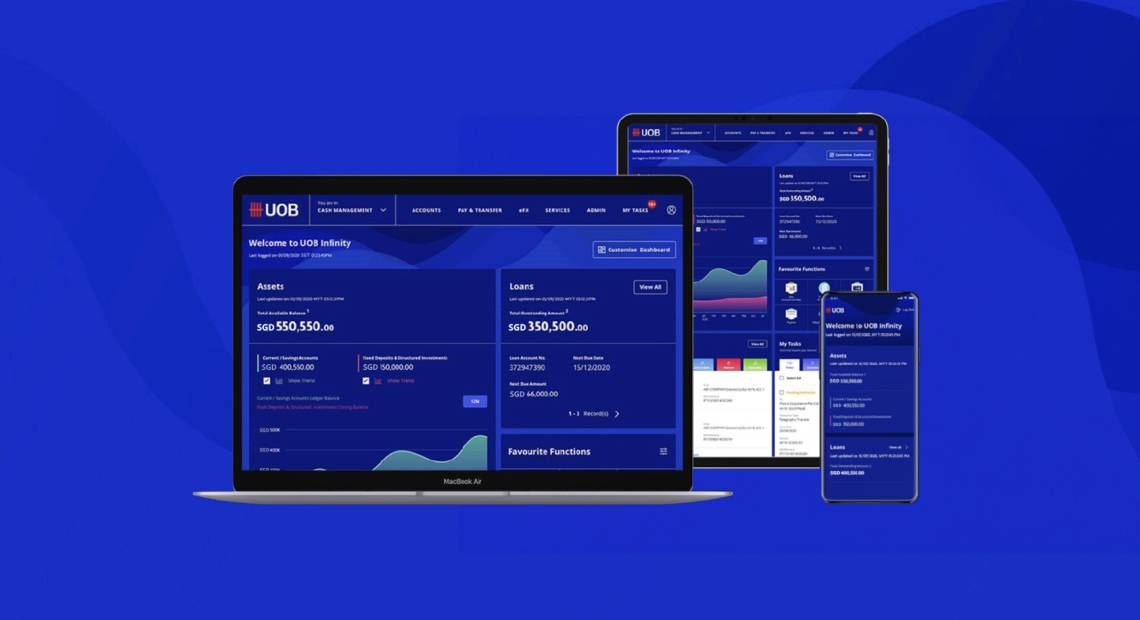
UOB SmartBusiness3 offers a curated suite of digital solutions designed for businesses with fluctuating revenue cycles. The platform integrates accounting software, payment solutions, and cash flow tracking tools that help you see patterns before they become problems. Track receivables, monitor inventory levels, and access working capital facilities from a single dashboard.
The UOB SME app takes this further by combining banking capabilities with business intelligence. Seasonal businesses can view cash flow trends across months, identify their peak and slow periods, and access pre-approved financing options directly from their mobile devices.
Whether you're preparing for your next festive season peak or managing through a slow period, our team understands the practical realities of seasonal businesses.
Speak to our UOB SME Banking team to explore how UOB's solutions can help you manage seasonal cash flow more effectively.

14 Oct 2026 • 3 mins read

03 Aug 2026 • 3 mins read

04 Jun 2026 • 3 mins read

06 May 2026 • 3 mins read